
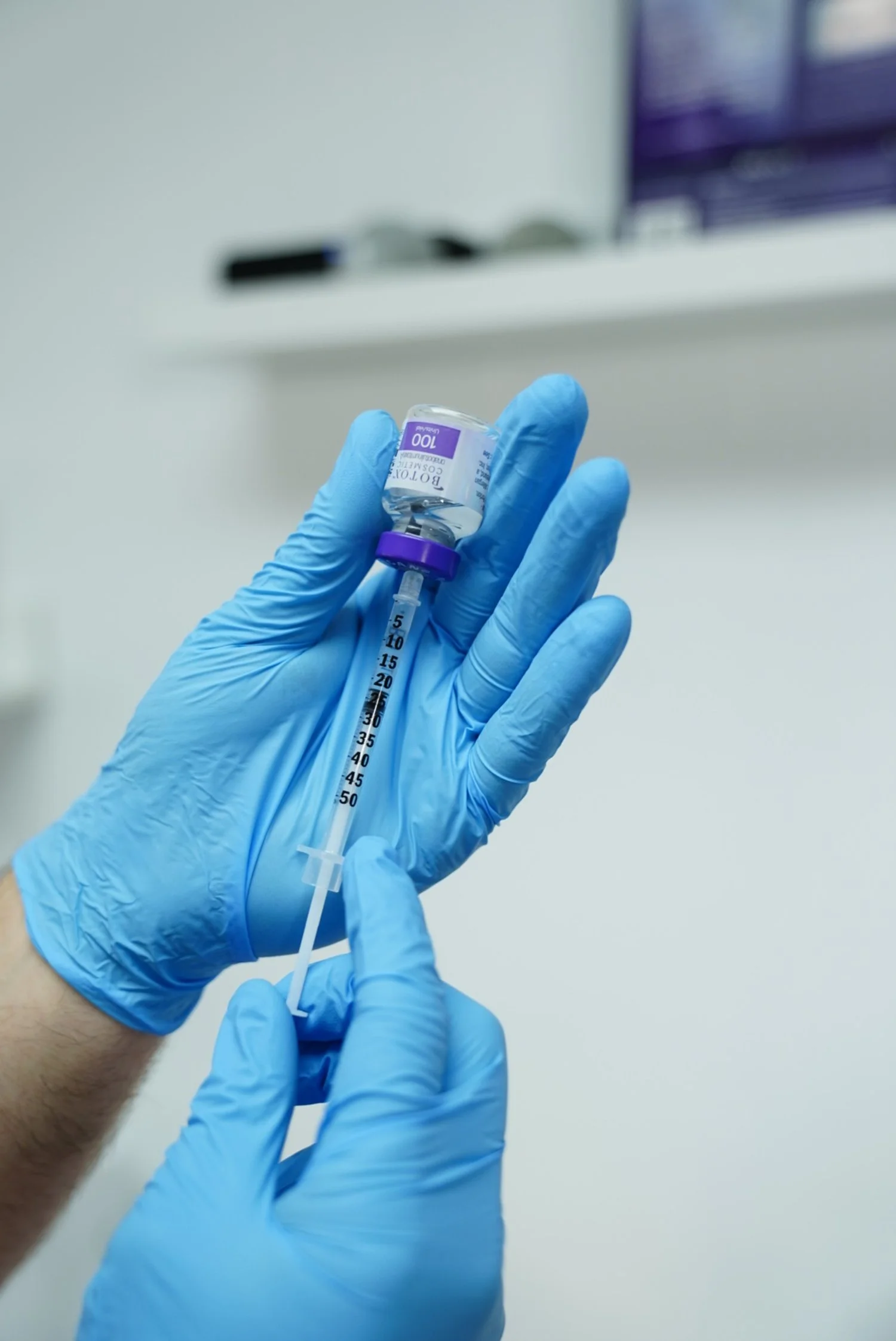
Botox
Post-Care Guide

Avoid consuming alcohol for at least 24 hrs after your procedure

Avoid taking Aspirin, ibuprofen, and other blood-thinning medications for 24 hrs after procedure

Mild pain is normal. Use Tylenol if needed as directed on the bottle

Avoid rubbing or massage the treated area to prevent migration of Botox

Mild headaches or feeling heaviness is normal in the treated area
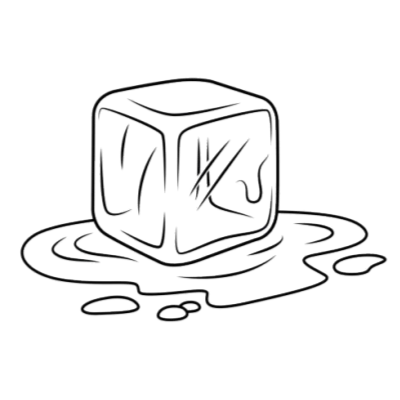
Bruising may last for 7-10 days. To reduce bruising, ice area of concern for 10 min on/off, 3 times a day

Redness/itching may happen. Use Benadryl if needed. Call if it worsens or spreads
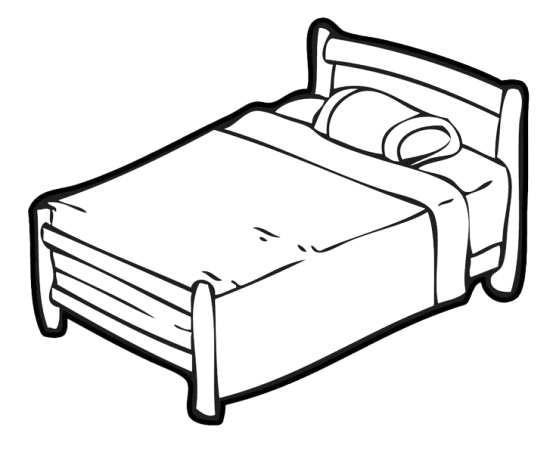
Avoid lying flat for 4 hours after treatment
More detailed AfterCare read below
⏱ FIRST 0–4 HOURS (CRITICAL PERIOD)
✅ Do
Stay upright
Keep your head above heart level.
Sit, stand, or walk; lying down can increase migration risk.
Move the treated muscles
Frown, raise your eyebrows, squint, or smile (whichever areas were treated).
Do these gently for 5–10 minutes every hour.
This helps Botox bind to the correct muscles more efficiently.
❌ Avoid
Do NOT lie down
No bending forward (e.g., tying shoes, yoga poses)
No massaging, rubbing, or applying pressure
Don’t touch brows or forehead
Avoid face-down positions
No hats, headbands, or tight caps (they can press the forehead)
⏱ 4–24 HOURS (DAY 0)
✅ Do
Keep the area clean
Gentle cleansing is fine, but no scrubbing.
Stay upright
Still recommended for the first 6 hours.
Use a cold compress if needed
If you have swelling or discomfort, apply cool compress gently over the injected area’s surroundings, not directly pressing on injection points.
Light activities are fine
Walking, light housework, going about your day.
❌ Avoid
No exercise (24 hours)
Increased circulation can disperse the product.
No saunas, steam rooms, or hot yoga
No alcohol
Increases bruising risk.
No facials, face massages, microneedling, dermaplaning, or gua sha
Avoid for 48–72 hours minimum.
No makeup for 4–6 hours
Avoid pressing or blending heavily over injection sites.
No sleeping face-down
Sleep on your back with head elevated the first night.
DAY 1–3
What you may notice:
Small bumps or tiny injection dots (usually gone within hours)
Mild tenderness
Possible slight headache or tightness
Rare: mild bruising
All normal.
✅ Do
Resume normal cleansing and skincare.
Apply arnica gel or use bromelain supplements if bruising.
Gentle makeup application is fine.
❌ Avoid
No aggressive treatments for 48–72 hours:
Chemical peels
Microdermabrasion
Facial massage
LED masks with heat
Laser treatments
Avoid heavy sweating for 48 hours if possible.
DAY 4–7
What happens now:
Botox begins to activate.
You may notice softening of lines, reduced movement, or unevenness as it settles.
❌ Avoid:
Any procedures that apply pressure to the treated area for 1 week:
Deep tissue facial massage
Chiropractor neck adjustments involving face-down pressure
Tight helmets or goggles across brows
2 WEEKS (FULL RESULTS)
Botox typically reaches peak effect at 10–14 days.
If any area requires adjusting or topping up, most providers evaluate at this point.
This is the ideal time for a follow-up appointment.
When to Contact Your Injector
Seek help if you experience:
Persistent or severe headache
Drooping eyelid or brow (ptosis)
Difficulty swallowing or speaking
Asymmetry that worsens after 14 days
Rash or signs of allergic reaction
Hard lumps or prolonged swelling
These are uncommon but need assessment.